

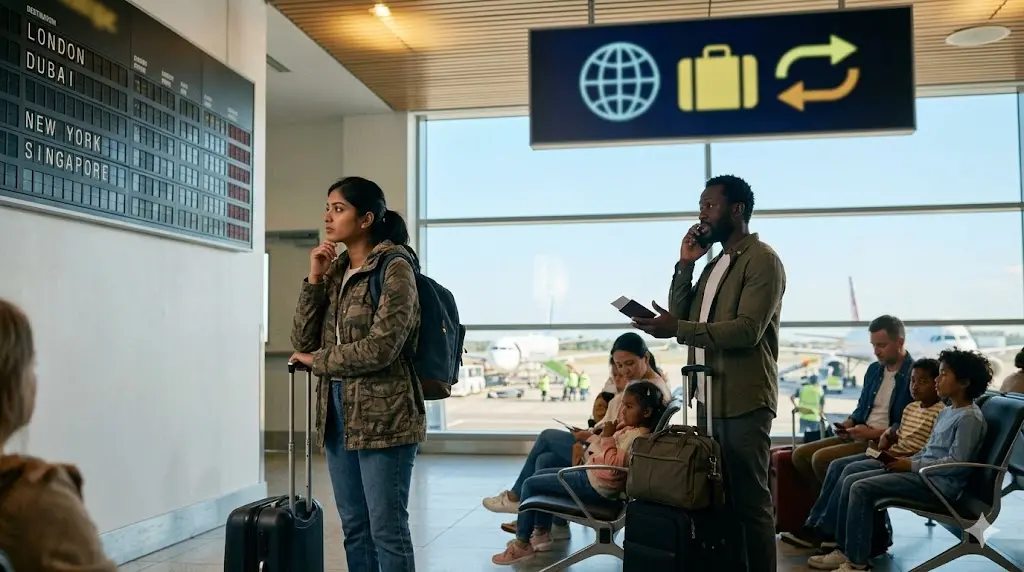
Global migration is reshaping the global tourism industry because people no longer travel only for vacations. Millions now move across borders for work, education, family, and long-term living, and those movements are changing how destinations market themselves, build tourism services, and attract international visitors. What used to be a simple tourism economy is now deeply connected to migration trends, diaspora communities, remote work culture, and cultural exchange.
Migration affects tourism by creating stronger international connections, increasing visits to friends and relatives, boosting cultural tourism, and changing traveler expectations. In 2026, destinations that understand migrant communities and multicultural travelers will probably outperform places relying only on traditional tourism campaigns.
Why global migration is reshaping the global tourism industry has become a major discussion point among tourism experts, hotel owners, airlines, and even local governments. Travel patterns don't look the way they did ten years ago. More people are living abroad, working remotely, studying internationally, or building families across multiple countries. That shift changes everything from airline demand to food tourism.
Here's the thing: tourism used to revolve mostly around sightseeing and luxury travel. Now, emotional connection plays a much bigger role. Someone may travel to reconnect with family roots, attend multicultural festivals, or visit relatives who relocated overseas. In my experience, this emotional layer is one of the biggest reasons tourism is evolving faster than many businesses expected.
Tourism trends, migration patterns, and cultural travel are now tightly connected. And businesses ignoring that shift are already falling behind.
What Is Global Migration and Why Does It Matter?
Global Migration: The movement of people from one country or region to another for work, education, family, safety, or long-term living.
Migration matters because it changes how people experience travel. A person who migrates often maintains strong ties to their home country. That connection creates repeated travel demand. Family visits, cultural events, business trips, and heritage tourism all grow from those cross-border relationships.
Years ago, tourism boards mostly targeted vacation travelers. That's changed. Cities now market themselves to international students, expat families, digital workers, and diaspora communities because those groups create recurring travel activity.
What most people overlook is that migrants themselves become tourism drivers. Someone who moves abroad often encourages friends and relatives to visit. One migration story can create years of tourism spending through hotels, restaurants, transport, and entertainment.
A simple example makes this clearer.
A software engineer relocates from India to Canada. Within two years, parents visit during holidays, cousins travel for weddings, friends arrive for sightseeing, and the engineer returns home twice a year. That's not traditional tourism marketing. Yet it generates huge tourism revenue.
This is why migration and tourism economics are increasingly linked in 2026.
Expert Tip
Tourism businesses that adapt multilingual services and culturally familiar experiences usually earn stronger repeat bookings from migrant-connected travelers.
Why Global Migration Matters in 2026
The tourism industry in 2026 looks far more multicultural than it did before the pandemic era. International movement has accelerated again, but traveler motivations have shifted.
People aren't just taking vacations anymore. They're blending work, lifestyle, family, and travel into one experience.
Remote work plays a huge role here. A growing number of professionals live temporarily across countries while continuing to work online. Some stay for three months. Others stay for years. This creates what many analysts call "living tourism" instead of short-term tourism.
In my opinion, this is the most underrated shift happening right now.
Hotels are adapting rooms for long stays. Cafes are becoming co-working hubs. Tourism campaigns now promote neighborhoods instead of landmarks because travelers want to experience local life rather than simply observe it.
Cultural tourism is also expanding because migrant communities influence food, music, art, and festivals globally. A city with strong immigrant diversity often becomes more attractive to tourists seeking authentic cultural experiences.
You can already see this happening in places like Toronto, Dubai, London, and Singapore. Travelers visit not just for famous attractions but for multicultural energy.
Here's a counterintuitive point most guides miss: migration can actually protect tourism economies during global downturns. Leisure tourism drops quickly during economic uncertainty, but diaspora-related travel tends to remain more stable because family obligations don't disappear.
That's a very different type of tourism resilience.
How Global Migration Is Changing Tourism Business Models
Tourism businesses are being forced to rethink old strategies because migration changes customer expectations.
1. Travelers Expect Cultural Familiarity
International travelers increasingly want comfort mixed with discovery. They enjoy local experiences but still appreciate familiar food, language support, or community connections.
Hotels now hire multilingual staff more aggressively than before. Restaurants offer hybrid menus influenced by immigrant cultures. Travel agencies create heritage-based tourism packages.
This isn't accidental. It's demand-driven.
2. Diaspora Tourism Is Growing Fast
Diaspora tourism happens when migrants or descendants travel back to ancestral countries.
A second-generation traveler may visit their parents' homeland for identity, family history, or cultural curiosity. These trips are often emotional and longer than regular vacations.
In most cases, diaspora travelers spend more locally because they're deeply engaged with communities rather than rushing through tourist hotspots.
3. Airlines Benefit from Migration Corridors
Migration routes often become major airline routes.
When large populations relocate internationally, airlines increase direct connections between those regions. Tourism then grows naturally around those transportation networks.
That's partly why cities with strong immigrant populations often become global aviation hubs.
Expert Tip
Tourism brands that focus only on luxury travelers may miss the faster-growing market of long-stay migrant-connected visitors.
How Tourism Businesses Can Adapt Step by Step
Businesses that understand migration trends early will probably gain a serious advantage over competitors. Here's a practical process many tourism operators are starting to follow.
Step 1: Study Local Demographic Changes
Look at which communities are growing in your city or region. Migration patterns often predict future tourism demand.
For example, if a city sees rising numbers of international students, expect more family visits and long-stay travel bookings.
Step 2: Create Multicultural Experiences
This doesn't mean turning everything into a cultural performance. Authenticity matters.
Restaurants can highlight regional diversity naturally. Hotels can offer language-friendly services. Tour operators can include local immigrant neighborhoods as cultural attractions.
Step 3: Invest in Digital Convenience
Migrants and international travelers rely heavily on digital tools. Mobile booking, online translation support, digital payments, and remote customer service matter more than ever.
Honestly, some tourism businesses still underestimate this. Travelers lose patience quickly when basic digital systems don't work.
Step 4: Build Community Partnerships
Local migrant communities often become powerful tourism ambassadors.
Collaborating with cultural groups, festivals, or international student organizations can create stronger visibility and trust.
Step 5: Focus on Long-Term Visitors
Traditional tourism focused heavily on short stays. That model is changing.
Many travelers now combine work, family visits, education, and leisure into one extended trip. Businesses that support long stays usually see stronger customer value over time.
Common Mistake: Assuming Tourism Is Only About Vacation Travel
One of the biggest misconceptions is believing tourists only travel for relaxation.
That idea feels outdated now.
Modern travel includes emotional connection, identity exploration, remote work, education, relocation preparation, and family responsibilities. Tourism businesses that fail to understand this shift often market themselves too narrowly.
I've seen hotels spend heavily on luxury branding while ignoring the practical needs of long-term international guests. Meanwhile, smaller businesses with flexible services quietly build loyal customer bases.
Sometimes convenience beats glamour.
How Migration Influences Cultural Tourism
Cultural tourism has changed dramatically because migrant communities reshape cities themselves.
Food is probably the clearest example.
Twenty years ago, travelers searched mostly for traditional local cuisine. Now they often seek multicultural food scenes. A traveler may visit a city specifically for its Korean district, Indian restaurants, Middle Eastern cafes, or African music festivals.
Migration creates cultural blending, and tourism follows that energy.
Here's a realistic example.
Imagine a traveler visiting Melbourne for two weeks. Instead of only visiting landmarks, they spend days exploring Vietnamese neighborhoods, Greek markets, Lebanese bakeries, and multicultural street festivals. That visitor experiences migration indirectly through tourism.
This trend also affects entertainment tourism, language tourism, and educational travel.
What makes this especially interesting is that younger travelers usually value cultural authenticity more than luxury status. They want stories, communities, and experiences that feel real.
That's changing how destinations compete globally.
Expert Tip
Destinations promoting only historical landmarks may struggle more than cities showcasing living multicultural experiences.
The Economic Impact of Migration on Tourism
Migration influences tourism revenue in several ways, and some are surprisingly indirect.
First, migrants often create steady travel demand between countries. Airlines, hotels, and local businesses benefit from recurring movement.
Second, international communities attract investment. Businesses open restaurants, cultural venues, markets, and services that eventually become tourism attractions themselves.
Third, migration increases global awareness of destinations. People become curious about countries connected to their friends, coworkers, or family networks.
Here's another overlooked factor: international students.
Students studying abroad generate massive tourism activity. Parents visit campuses. Friends travel during graduation periods. Relatives book accommodation for extended stays.
One student relocation can trigger years of travel spending.
In my experience, tourism strategies that ignore education migration miss a huge opportunity.
Expert Tips and What Actually Works
A lot of tourism advice sounds polished but disconnected from reality. Here's what actually seems to work based on current migration-driven travel behavior.
Personalization matters more than luxury. Travelers remember businesses that understand their background, language, or cultural preferences.
Flexible accommodation wins. Long-stay visitors want adaptable options, not rigid tourism packages.
Local storytelling works better than generic advertising. Travelers connected to migration trends often seek emotional experiences rather than postcard attractions.
And here's my hot take: some destinations spend far too much money chasing influencers while underinvesting in community-driven tourism experiences. Authentic human connection usually creates stronger long-term tourism growth than flashy campaigns.
That's not trendy marketing talk. It's what many travelers genuinely respond to.
Expert Tip
Businesses that embrace cultural diversity internally often deliver better customer experiences externally. Travelers notice authenticity fast.
People Most Asked About Why Global Migration Is Reshaping the Global Tourism Industry
Why does migration increase tourism?
Migration creates cross-border relationships. Migrants often travel back home, invite relatives abroad, and maintain cultural ties that generate recurring tourism activity.
What is diaspora tourism?
Diaspora tourism refers to people traveling to their ancestral homeland or family origin country. These trips are usually connected to identity, family history, or cultural exploration.
How does migration affect hotels?
Hotels now adapt to longer stays, multilingual guests, and multicultural preferences. Many properties are redesigning services for remote workers and family-centered travel.
Is cultural tourism growing because of migration?
Yes, very much so. Migrant communities introduce food, festivals, language, music, and traditions that attract tourists seeking authentic experiences.
Why are airlines affected by migration trends?
Migration creates stable international travel routes. Airlines expand direct connections between countries with strong migration relationships, which also boosts tourism.
How does remote work connect to migration and tourism?
Remote workers often live temporarily in different countries while working online. This creates blended travel experiences that combine tourism, lifestyle, and relocation.
Can migration make tourism economies stronger?
In many cases, yes. Migration-related travel tends to remain steadier during economic uncertainty because family visits and community connections continue even when leisure spending drops.
What industries benefit most from migration-driven tourism?
Hotels, airlines, restaurants, transportation services, local entertainment businesses, and long-stay accommodation providers often benefit significantly.
Global migration is reshaping the global tourism industry because travel today is deeply personal, emotional, and interconnected. People move across borders for opportunity, education, safety, relationships, and lifestyle choices, and every one of those movements influences tourism patterns. Businesses that recognize this shift early will probably adapt faster, attract more loyal travelers, and build stronger long-term growth in 2026 and beyond.
If your business wants stronger online visibility, high authority backlinks, and better SEO ranking, platforms like PR Wires and Web Info Matrix can help brands, agencies, startups, and SEO professionals improve organic traffic through press release distribution services, digital marketing services, online press release distribution, and link building services. Their instant publishing opportunities and broader media coverage make them useful for businesses aiming to increase brand visibility and search performance efficiently.