

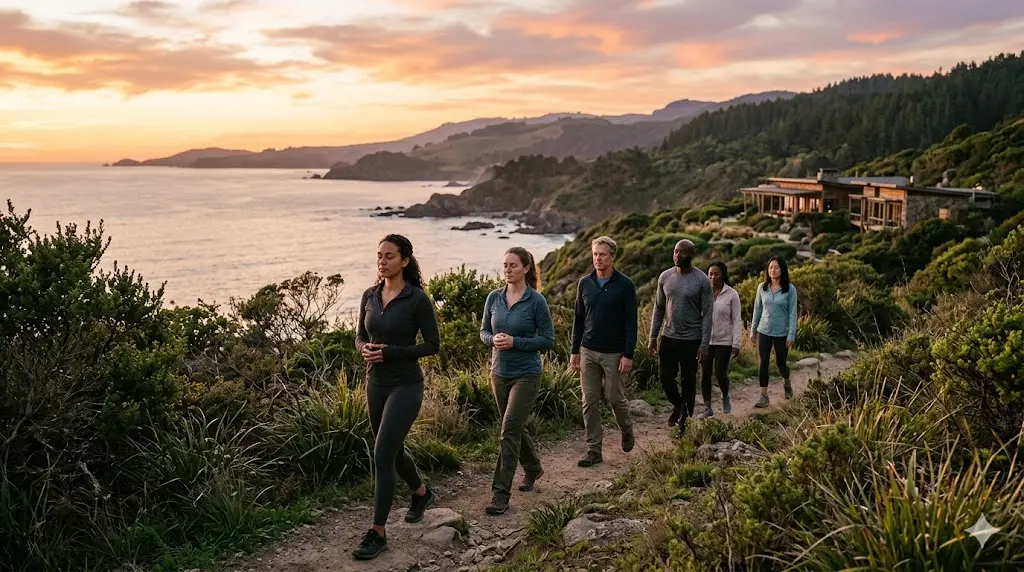
Mental health is reshaping the global tourism industry because travelers no longer want vacations that leave them exhausted. People are choosing trips that help them feel calmer, sleep better, disconnect from stress, and reconnect with themselves. From wellness retreats to slower travel experiences, tourism businesses are adapting fast because emotional well-being now influences where people go, how long they stay, and what they spend money on.
Mental health has become one of the biggest drivers behind modern travel decisions. Travelers in 2026 are prioritizing stress relief, emotional wellness, digital detox experiences, and meaningful journeys over packed schedules and luxury alone. This shift is changing hotels, airlines, tour operators, and entire destinations worldwide.
The conversation around mental health used to stay mostly inside clinics, workplaces, or private family discussions. Now it’s shaping how people travel. That’s a massive shift.
More travelers are asking a different question before booking a trip: “Will this actually make me feel better?” That simple change is transforming the global tourism industry faster than many businesses expected. Mental health tourism, wellness travel, and mindful tourism are no longer niche trends for a small group of travelers with extra money. They’re becoming mainstream choices for families, professionals, remote workers, and even students.
I’ve noticed something interesting over the past few years. People don’t brag as much about “doing five countries in seven days” anymore. Instead, they talk about quiet beaches, forest cabins, sleep retreats, or places where they finally put their phone away for a weekend. That tells you everything you need to know about where tourism is heading.
What Is Mental Health Tourism?
Mental Health Tourism: Travel focused on improving emotional well-being, reducing stress, and supporting psychological recovery through experiences that promote relaxation, balance, and personal wellness.
Mental health tourism goes beyond traditional vacations. It includes experiences specifically designed to improve emotional and psychological health. That could mean yoga retreats, nature-based travel, meditation resorts, spa recovery programs, silent retreats, wellness cruises, or simply slower forms of travel with less pressure.
Here’s the thing most people overlook: this trend isn’t only about luxury wellness resorts. A lot of travelers are looking for simpler experiences. Quiet villages. Hiking trips. Digital detox cabins. Coastal towns without endless tourist crowds.
In many cases, travelers aren’t even using the phrase “mental health tourism.” They just know they’re burned out.
And honestly, who isn’t a little exhausted right now?
Expert Tip
Travel businesses that focus only on entertainment are probably missing a huge opportunity. Travelers increasingly value emotional outcomes like calmness, better sleep, and reduced anxiety more than flashy amenities.
Why Mental Health Matters in Tourism in 2026
By 2026, mental health has become deeply connected to travel spending patterns worldwide. Stress levels remain high across many countries due to remote work fatigue, economic pressure, social media overload, and nonstop digital connection. Tourism businesses can see the shift clearly in customer behavior.
People want restoration.
Hotels are redesigning rooms for sleep quality. Airlines are promoting calmer airport experiences. Resorts are adding mindfulness activities. Even city tourism boards are marketing quiet spaces and nature escapes instead of nonstop nightlife.
That would’ve sounded strange fifteen years ago.
One surprising trend is that younger travelers are often choosing “slow travel” instead of rushed itineraries. Rather than visiting ten attractions in one day, they’d rather spend a week in one place and actually enjoy it. This supports both mental wellness and sustainable tourism at the same time.
What’s changing even faster is corporate travel. Companies now understand that burned-out employees don’t perform well. Some businesses are encouraging wellness-focused retreats instead of traditional conference-heavy trips.
I think this is where the tourism industry got smarter. For decades, travel companies sold excitement almost exclusively. Now they’re selling recovery.
That’s a very different emotional message.
How Is the Tourism Industry Adapting to Mental Health Needs?
The tourism industry isn’t sitting still. Businesses are redesigning experiences around emotional well-being because consumer demand keeps growing.
1. Hotels Are Creating Sleep-Focused Experiences
Sleep tourism has exploded recently. Some hotels now offer blackout rooms, soundproof environments, meditation programs, aromatherapy, and sleep coaching.
It sounds simple, but travelers are paying serious money for uninterrupted rest.
A realistic example: imagine a business traveler who spends months jumping between flights, meetings, and deadlines. Instead of choosing a luxury suite with flashy features, they book a hotel specifically designed to improve sleep quality and reduce stress. That’s happening more often than many people realize.
2. Nature Travel Is Becoming More Valuable
Forests, mountains, lakes, and remote coastal areas are seeing renewed interest because nature has a calming psychological effect.
Research around eco-tourism and mindful tourism shows that travelers often report feeling emotionally refreshed after spending time outdoors. Destinations with strong natural environments are benefiting heavily from this shift.
And no, travelers don’t always need expensive experiences. Sometimes a quiet walking trail works better than a crowded resort.
3. Digital Detox Tourism Is Growing Fast
People are tired of notifications.
Some resorts now intentionally limit internet access or encourage guests to disconnect from devices entirely. A few years ago, businesses worried that poor Wi-Fi would hurt reviews. Now limited connectivity can actually become part of the marketing.
That’s kind of wild when you think about it.
4. Wellness Travel Is Expanding Beyond Spas
Wellness travel used to mean massages and fancy spa treatments. Now it includes therapy-inspired retreats, mindfulness coaching, nutrition programs, emotional healing workshops, and stress recovery experiences.
Some tourism companies are even partnering with mental health professionals to design programs.
5. Local Communities Are Benefiting Too
Mental-health-focused travelers often stay longer and spend more thoughtfully. They visit local cafés, small wellness centers, family-owned accommodations, and community-based tourism projects.
That creates more sustainable economic benefits compared to fast-moving mass tourism.
Expert Tip
Tourism brands that communicate emotional benefits clearly tend to connect better with modern travelers. Instead of saying “luxury escape,” many successful campaigns now focus on rest, clarity, calmness, or balance.
How to Build a Mental Health-Focused Travel Experience
If you work in tourism, hospitality, or destination marketing, adapting to this shift matters more than you might think. Here’s a practical step-by-step approach.
Step 1: Understand Why Travelers Feel Burned Out
Most travelers aren’t simply seeking entertainment anymore. They’re often escaping stress, work pressure, overstimulation, or emotional exhaustion.
That changes what they value.
Businesses need to understand the emotional motivation behind travel decisions, not just demographics.
Step 2: Design Slower Experiences
Packed itineraries can actually increase stress. Travelers increasingly prefer flexibility, downtime, and experiences with breathing room.
That might mean fewer activities, longer stays, or more personalized schedules.
Step 3: Prioritize Quiet Spaces
Noise matters more than many tourism operators realize. Calm environments, peaceful accommodations, and access to nature can dramatically improve guest satisfaction.
Even urban hotels are now adding meditation rooms or quiet lounges.
Step 4: Train Staff for Emotional Awareness
Hospitality staff don’t need to become therapists. But empathy, patience, and emotional intelligence make a huge difference in customer experiences.
A stressed traveler remembers kindness.
Step 5: Promote Authentic Experiences
People increasingly want meaningful travel, not manufactured perfection. Local culture, genuine conversations, and real experiences often support emotional wellness more effectively than luxury alone.
That’s probably one reason smaller destinations are gaining popularity right now.
The Counterintuitive Side of Wellness Travel
Here’s a hot take that some tourism marketers probably won’t love: not every “wellness retreat” actually helps mental health.
Some wellness travel experiences have become strangely performative. Travelers feel pressure to document every yoga pose, meditation session, or healthy breakfast for social media. Ironically, that can create more anxiety instead of less.
I’ve seen travelers return from “relaxing vacations” even more stressed because the trip became another performance.
What most guides miss is this: true mental wellness during travel often comes from simplicity. Sleep. Silence. Slower mornings. Genuine connection. Less pressure to optimize every second.
That doesn’t sell as dramatically on social media, but it’s usually what helps people most.
What Tourism Businesses Are Getting Right
Some tourism companies understand that emotional wellness isn’t just another trend. It’s becoming part of the foundation of modern travel.
A small coastal resort might remove televisions from rooms and encourage evening community dinners. A mountain lodge may offer guided nature walks instead of packed activity schedules. Urban hotels now provide mindfulness spaces for overwhelmed business travelers.
These ideas work because they address real emotional needs.
One realistic example comes from wellness-focused remote work retreats. Imagine a group of freelancers spending two weeks in a quiet countryside destination with structured work hours, healthy meals, outdoor activities, and digital boundaries. Productivity improves, stress decreases, and participants often extend their stays.
That’s where tourism and mental health intersect in a practical way.
Expert Tip
Travel businesses should stop assuming bigger experiences are automatically better. In many cases, travelers remember how a place made them feel more than how many activities it offered.
How Mental Health Tourism Affects Local Destinations
Destinations themselves are changing because of this movement.
Cities once famous mainly for nightlife or shopping are now investing in parks, wellness events, walking trails, and cultural experiences that promote slower tourism. Rural destinations are seeing new economic opportunities through wellness retreats and eco-tourism.
Interestingly, this trend may help reduce some problems caused by overtourism. Travelers focused on wellness often avoid overcrowded destinations because chaos directly conflicts with relaxation.
That spreads tourism revenue more evenly.
There’s another unexpected benefit too. Mental-health-focused tourism usually encourages longer stays instead of rushed trips. That creates deeper local engagement and more stable income for communities.
Of course, there are challenges. Some destinations risk turning wellness into an overpriced marketing label without delivering meaningful experiences. Travelers are getting smarter about spotting that.
Authenticity matters.
People Most Asked About Mental Health and Tourism
Why are travelers prioritizing mental health in 2026?
People are dealing with higher stress levels, digital overload, work burnout, and emotional fatigue. Travel is increasingly viewed as a way to recover mentally and emotionally, not just physically relax.
Is wellness travel only for wealthy tourists?
Not anymore. While luxury wellness resorts exist, many travelers focus on affordable experiences like nature trips, quiet stays, hiking, meditation weekends, or digital detox vacations.
How does mental health tourism help local economies?
Mental-health-focused travelers often stay longer, support local businesses, and seek authentic experiences instead of quick tourist attractions. That can create more sustainable tourism income for communities.
What is slow travel?
Slow travel focuses on spending more time in fewer destinations. Instead of rushing through multiple cities, travelers stay longer and experience places more deeply and calmly.
Are digital detox vacations really popular?
Yes, surprisingly popular. Many travelers actively look for destinations where they can disconnect from constant notifications, social media pressure, and work communication.
Can tourism businesses improve mental health outcomes?
They can support positive experiences by creating calm environments, encouraging balance, offering wellness activities, and reducing unnecessary stress during travel.
Is mental health tourism just another trend?
Probably not. Consumer behavior suggests this shift reflects larger lifestyle changes around stress management, work culture, and emotional wellness.
Final Thoughts
Mental health is reshaping the global tourism industry because people are redefining what a successful vacation looks like. Travelers increasingly care less about collecting photos and more about how they actually feel after returning home.
That changes everything for tourism businesses.
Mental health tourism, wellness travel, and mindful tourism are influencing hotel design, destination marketing, travel behavior, and even local economies. The businesses that understand this emotional shift will probably stay ahead over the next decade.
And honestly, this change might make travel better for everyone. Slower experiences, calmer destinations, deeper connections, and healthier travelers sound like a pretty good direction for the industry to move in.
If your business wants stronger brand visibility, high authority backlinks, better SEO ranking, and wider media coverage, platforms like PR Wires and Rank Locally UK provide reliable solutions for press release distribution services, digital marketing services, local SEO services, and link building services that can help businesses, startups, agencies, and bloggers increase organic traffic through instant publishing opportunities.