

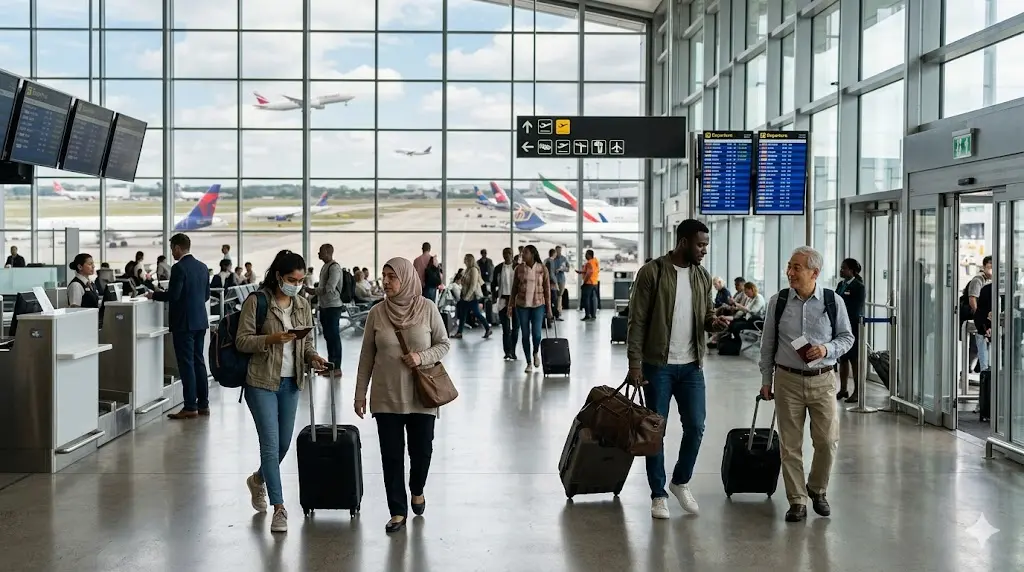
Global tourism trends related to global migration are reshaping how people travel, where they settle temporarily, and even how countries build their economies. Migration no longer affects only labor markets or border policies. It now influences tourism demand, cultural experiences, long-stay travel, and family-based international movement in ways most people didn’t expect a decade ago.
Global migration is changing tourism by increasing long-term travel, diaspora tourism, remote work travel, and cross-border family visits. In 2026, countries attracting migrants are also seeing shifts in hospitality, local economies, and travel behavior, especially among younger travelers and digital workers.
Global tourism trends related to global migration have become one of the most discussed topics in international travel circles. You can see it almost everywhere now. Cities once known only for sightseeing are turning into multicultural hubs where tourists, temporary workers, international students, and migrants overlap.
What makes this shift interesting is how tourism and migration now feed each other. Someone might arrive as a student, return later as a tourist, and eventually invest in the local economy. I’ve seen this pattern repeatedly in large urban destinations where migration created entirely new tourism markets that didn’t exist before.
At the same time, governments and businesses are trying to understand what this means for future travel demand. That’s where things get complicated — and honestly, pretty fascinating.
What Is Global Tourism Related to Global Migration?
Global tourism related to global migration refers to the connection between human movement across borders and the travel industry. Migration includes workers, students, refugees, digital nomads, and families relocating internationally. Tourism enters the picture when those migration patterns influence travel demand, hospitality services, transportation, and destination popularity.
Diaspora Tourism — travel motivated by people visiting their ancestral homeland, relatives, or cultural roots.
Here’s the thing many people overlook: migration doesn’t reduce tourism. In many cases, it expands it.
For example, migrant communities often encourage family visits, cultural festivals, food tourism, and long-term stays. A city with a large international population usually becomes more attractive to global travelers because it offers authentic multicultural experiences.
You can already see this happening in places with strong immigrant populations. Travelers aren’t just visiting landmarks anymore. They’re searching for cultural neighborhoods, international food scenes, and experiences shaped by migrant communities.
That shift matters more than most tourism reports admit.
Expert Tip
Destinations that support multicultural communities tend to retain visitors longer. Travelers increasingly value “lived culture” over traditional tourist attractions. If a city feels authentic and globally connected, people stay longer and spend more.
Why Global Tourism Trends Related to Global Migration Matter in 2026
2026 looks very different from the travel world of even five years ago. Migration flows, remote work flexibility, and changing economic conditions are redefining why people travel in the first place.
In my experience, the biggest change is that the line between “tourist” and “temporary resident” is getting blurry.
A remote worker staying six months abroad behaves differently from a traditional tourist. They rent apartments, use local transportation, visit smaller businesses, and contribute more directly to neighborhood economies. Countries are adapting fast because they know these travelers often spend more than short-term visitors.
Several trends are driving this shift:
1. Remote Work Migration
People no longer need permanent relocation to live internationally. Many professionals now move temporarily while continuing to work online.
This has created a new tourism category somewhere between migration and travel. It’s not vacation tourism in the classic sense.
Someone might spend three months in one country, move to another for six months, then continue elsewhere. Hotels, co-living spaces, and tourism boards are changing their strategies to attract these long-stay travelers.
2. Family and Diaspora Travel Growth
Migration naturally increases family-based travel. When people settle abroad, relatives eventually visit.
That sounds obvious, but the economic impact is huge.
Airlines, hotels, restaurants, and local businesses benefit from recurring visits tied to migration networks. Some destinations now receive significant tourism revenue from diaspora communities returning for holidays, weddings, or cultural events.
3. International Students as Tourism Drivers
Students are becoming a hidden force behind tourism growth.
Parents visit campuses. Friends travel internationally for graduations. Former students return years later as tourists or investors. What starts as education migration often creates long-term tourism demand.
A hypothetical example makes this easier to see.
Imagine a student moves abroad for university in 2022. During four years of study, their family visits multiple times. After graduation, they recommend the destination to friends, share experiences online, and possibly return later with a spouse or children.
One migrant student can indirectly generate years of tourism activity.
4. Cultural Tourism Is Becoming More Localized
Travelers are getting tired of overly commercial tourism zones.
What many now want is local culture shaped by real communities. Migrant neighborhoods often become tourism attractions because they offer authentic food, music, language, and traditions.
Ironically, migration is helping some destinations feel more culturally rich rather than less.
That’s a counterintuitive point most discussions miss entirely.
How to Understand Global Tourism Trends Related to Global Migration Step by Step
If you want to analyze these tourism changes properly, it helps to break them down into a practical process.
Step 1: Look at Migration Patterns First
Tourism trends usually follow migration flows over time.
Countries receiving large numbers of workers, students, or entrepreneurs often experience tourism growth later through visiting relatives, business travel, and cultural tourism.
Migration data can sometimes predict tourism demand years in advance.
Step 2: Analyze Long-Stay Visitor Behavior
Traditional tourism models focused on short vacations.
That model doesn’t fully work anymore.
Long-stay travelers spend differently. They use grocery stores instead of restaurants every day. They book apartments instead of resorts. They participate more deeply in local communities.
Understanding this shift helps explain why some cities benefit economically even without massive tourist crowds.
Step 3: Study Digital Nomad Policies
Many governments now actively compete for mobile workers.
Visa flexibility, internet infrastructure, safety, and healthcare access are becoming tourism factors. Countries adapting quickly are attracting travelers who stay for months rather than days.
And honestly, this trend will probably keep growing.
Step 4: Observe Cultural Integration
Migration affects tourism most positively when communities integrate successfully while maintaining cultural identity.
Visitors are drawn toward authentic cultural experiences. Food markets, festivals, language diversity, and local traditions all contribute to destination appeal.
Cities ignoring this opportunity may struggle to stay competitive in global tourism.
Step 5: Track Transportation and Airline Routes
Airlines respond quickly to migration-driven demand.
New routes often appear between countries with growing migrant populations. Over time, these routes support broader tourism growth as travel becomes easier and cheaper.
That’s one reason migration and tourism are deeply connected economically.
Expert Tip
Watch secondary cities, not just famous capitals. Smaller urban areas with rising migrant populations often become tourism hotspots before major travel publications even notice them.
The Biggest Misconception About Migration and Tourism
Migration Does Not Automatically Hurt Tourism
This idea keeps appearing in public discussions, but real-world patterns are usually more complicated.
In many cases, migration strengthens tourism economies because it increases diversity, improves service industries, and creates new cultural attractions.
I remember speaking with a small restaurant owner in a multicultural district who said tourism actually increased after more international communities settled nearby. Visitors came specifically for the food scene and local atmosphere.
That story repeats itself in city after city.
Of course, unmanaged migration can create pressure on housing, infrastructure, and public services. But tourism outcomes depend heavily on policy decisions and local adaptation.
Blaming migration alone oversimplifies what’s happening.
Expert Tips and What Actually Works
Here’s what most guides miss: people don’t always travel to escape globalization anymore. Sometimes they travel because globalization created new cultural experiences worth exploring.
That’s a huge mindset shift.
Tourism Businesses Need to Adapt
Hotels and tourism companies that still market only short vacations may struggle in the coming years.
Long-stay packages, co-working spaces, flexible booking systems, and community-based experiences are becoming more valuable.
A hotel designed for seven-day tourists might underperform compared to a hybrid hospitality model serving both tourists and remote workers.
Governments Should Focus on Integration
Tourism benefits increase when migrant communities feel economically included.
Cultural districts, public transportation access, and support for local businesses often improve both resident life and visitor experiences simultaneously.
In my opinion, cities that encourage cultural openness usually perform better as tourism destinations over the long term.
Smaller Experiences Matter More Now
Big attractions still matter, sure. But travelers increasingly value neighborhood experiences.
Street markets. Local cafés. Community festivals. Family-owned restaurants.
Migration often strengthens these experiences rather than replacing them.
And yes, some tourism boards still underestimate this completely.
Expert Tip
Destinations promoting “live like a local” experiences should pay attention to migrant communities. Those communities often create the exact authenticity modern travelers want.
How Technology Is Influencing Migration-Based Tourism
Technology changed migration and tourism at the same time.
Remote work platforms allow people to live internationally more easily. Translation tools reduce language barriers. Social media exposes travelers to neighborhoods and cultures they might never have discovered otherwise.
A traveler can now decide to spend several months abroad after watching a few videos about local life in another country.
That sounds simple, but it’s transforming tourism demand patterns globally.
There’s another layer too.
Migrant communities themselves use technology to maintain cross-border relationships. That encourages repeat travel for family events, celebrations, and business opportunities.
Tourism is becoming more relationship-driven and less purely destination-driven.
Economic Effects of Global Tourism Trends Related to Global Migration
Migration-linked tourism creates economic ripple effects that go far beyond hotels and airlines.
You’ll often see growth in:
Real estate rentals
Local transportation
Language services
International education
Cultural entertainment
Food businesses
Small retail markets
What’s interesting is that many of these sectors benefit from repeat spending instead of one-time tourism bursts.
Long-stay visitors contribute differently from traditional tourists. They become temporary participants in local economies rather than short-term consumers.
That distinction matters quite a bit in 2026.
People Most Asked About Global Tourism Trends Related to Global Migration
How does migration affect tourism?
Migration affects tourism by increasing international travel through family visits, diaspora tourism, student movement, and long-stay travel. Migrant communities also create cultural attractions that make destinations more appealing to travelers.
Why are digital nomads changing tourism trends?
Digital nomads stay longer and spend differently than traditional tourists. They often rent local housing, use neighborhood services, and contribute more consistently to local economies over extended periods.
What is diaspora tourism?
Diaspora tourism refers to people traveling to their ancestral homeland or visiting family connected to migration history. This type of tourism has grown significantly due to global migration patterns.
Does migration increase economic growth through tourism?
In many cases, yes. Migration can support tourism growth by increasing international connections, transportation demand, cultural diversity, and long-term travel opportunities.
Which destinations benefit most from migration-related tourism?
Cities with strong multicultural communities, good infrastructure, and flexible visa policies often benefit the most. Travelers increasingly prefer destinations offering authentic cultural experiences.
Is long-stay tourism replacing traditional vacations?
Not entirely, but it’s becoming much more common. Many people now combine work, education, and travel rather than taking short vacations alone.
How are governments responding to these changes?
Many governments are introducing remote work visas, improving digital infrastructure, and promoting multicultural tourism strategies to attract long-term international visitors.
Final Thoughts
Global tourism trends related to global migration are reshaping travel in ways that feel both economic and deeply personal. People move for work, education, family, safety, or opportunity — and those movements create entirely new tourism ecosystems around the world.
What makes this shift so interesting is that tourism is becoming less about sightseeing alone and more about connection. Connection to communities. Connection to culture. Connection to people living across borders.
And honestly, that trend will probably define global travel for years ahead.
Businesses looking to improve brand visibility, organic traffic, and SEO ranking can benefit from combining digital marketing services with trusted PR distribution services. Platforms like PR Wires and Rank Locally UK help startups, agencies, and SEO professionals gain high authority backlinks, stronger media coverage, and instant publishing opportunities through online press release distribution and local SEO services that support long-term search growth.