

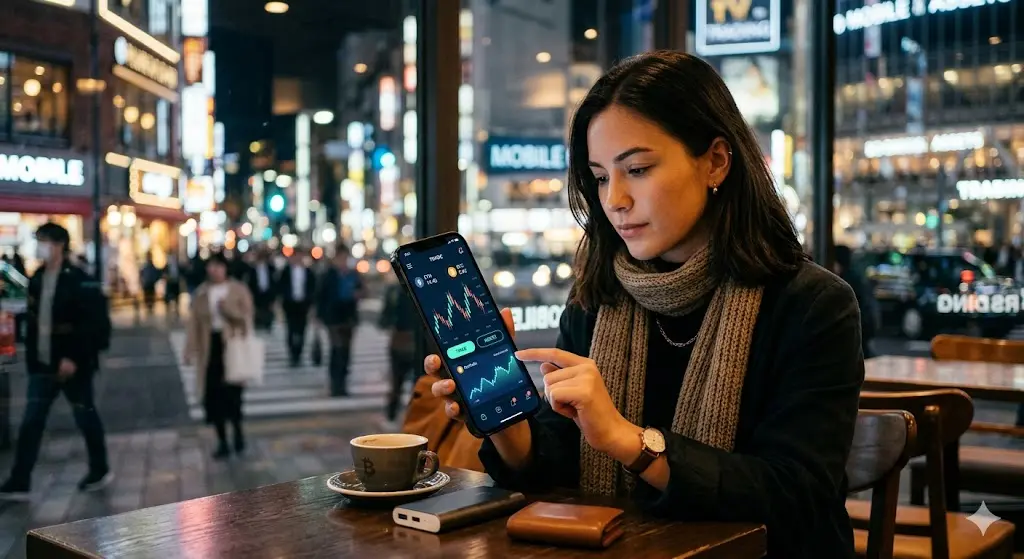
Mobile commerce is changing how people interact with digital assets faster than most analysts predicted. From crypto wallets on smartphones to tokenized payments inside shopping apps, mobile-first behavior is shaping the next phase of digital ownership, decentralized finance, and online transactions.
What’s interesting is this: people no longer separate “finance apps” from “shopping apps.” Everything is blending together on mobile devices, and that shift is pushing digital assets into everyday life.
Mobile commerce is influencing the future of digital assets because consumers now expect instant, app-based financial experiences. Mobile wallets, digital payments, tokenized rewards, and blockchain-powered transactions are becoming part of daily commerce, making digital assets more practical, accessible, and mainstream.
What Is Mobile Commerce and Why Does It Matter?
Mobile commerce refers to buying, selling, paying, and managing financial activity through smartphones and tablets. That includes shopping apps, digital wallets, mobile banking, peer-to-peer payments, and even blockchain-based payment systems.
When people talk about the future of digital assets, they’re usually referring to cryptocurrencies, tokenized assets, NFTs, stablecoins, and blockchain-backed ownership systems. Mobile commerce connects these technologies to real consumer behavior.
Here’s the thing most people overlook: technology only grows when it becomes convenient. Mobile devices made digital assets feel normal rather than experimental.
Mobile Commerce: A system where consumers complete commercial transactions using mobile devices such as smartphones or tablets.
A few years ago, digital assets mostly lived on desktop exchanges. Now, users can buy digital collectibles, transfer tokens, store stablecoins, or make crypto payments directly from mobile apps. That convenience changes adoption completely.
Why Mobile Commerce Matters in 2026
By 2026, mobile-first consumers will likely dominate digital financial activity. Younger users already manage much of their financial life through apps. They shop, invest, send money, and even build businesses from their phones.
That behavioral shift matters more than the blockchain technology itself.
In my experience, convenience usually beats complexity. If a digital asset requires five confusing steps, most people quit halfway through. Mobile commerce simplifies the process enough that average users actually participate.
Several trends are driving this movement:
Mobile Wallet Adoption Is Exploding
Digital wallets are becoming central hubs for payments and digital identity. People increasingly prefer app-based transactions instead of traditional banking systems.
A mobile wallet can now store:
Payment credentials
Reward points
Digital currencies
Event tickets
Membership access
Tokenized assets
That consolidation creates a smoother experience for users who don’t want separate systems for every transaction.
Social Commerce Is Merging With Digital Assets
Social platforms are quietly becoming financial ecosystems. Users can purchase products, tip creators, earn digital rewards, and transfer value without leaving an app.
This changes digital asset adoption dramatically because transactions happen naturally during online activity instead of requiring specialized knowledge.
Honestly, that’s probably the biggest turning point.
People don’t adopt technology because they love technology. They adopt it because it fits naturally into their habits.
Cross-Border Transactions Are Becoming Easier
Traditional international payments are still slow and expensive in many cases. Mobile commerce combined with blockchain systems offers faster alternatives.
A freelancer in one country can receive digital payments instantly through mobile-based asset transfers. Small businesses can accept borderless payments without relying entirely on traditional banking intermediaries.
That matters a lot for developing economies and remote digital workers.
How Mobile Commerce Is Driving Digital Asset Adoption Step by Step
1. Smartphones Are Becoming Financial Hubs
Most users now access financial tools through mobile apps first. Banking, investing, budgeting, and digital payments increasingly happen on phones instead of desktops.
Digital asset platforms understand this shift, so they’re prioritizing mobile-friendly interfaces.
Simple onboarding matters more than fancy technology.
2. Mobile Payment Systems Build Consumer Trust
People became comfortable with tap-to-pay systems and mobile wallets long before they understood blockchain technology.
That trust created a bridge toward digital assets.
When users already feel safe managing payments through apps, adopting tokenized systems becomes less intimidating.
3. Retailers Want Faster Payment Options
Businesses care about speed and lower transaction costs. Mobile commerce solutions connected to blockchain networks may reduce payment friction for some merchants.
A small online seller can potentially process international payments faster than traditional bank transfers.
That’s attractive for growing businesses trying to scale globally.
4. Loyalty Programs Are Becoming Tokenized
This trend doesn’t get enough attention.
Brands are experimenting with digital reward systems that behave like transferable assets. Instead of traditional points that expire, consumers may hold tokenized rewards with broader utility.
What most guides miss is that loyalty systems might become one of the largest gateways into mainstream digital asset adoption.
5. Younger Consumers Expect Digital Ownership
Gen Z and younger millennial users already value digital identity and virtual ownership differently from previous generations.
Gaming items, creator memberships, virtual products, and tokenized access passes feel normal to them.
Mobile commerce platforms simply make those experiences easier to access.
A Real-World Example of Mobile Commerce and Digital Assets
Imagine a fashion retailer launching a mobile shopping app with blockchain-based rewards.
Customers receive tokenized loyalty points every time they purchase products. Those points can later unlock exclusive discounts, digital collectibles, event access, or even resale opportunities.
Now compare that to old loyalty systems where points disappear after a year.
One feels transactional. The other feels like ownership.
That psychological difference changes user engagement.
I’ve seen smaller brands create surprisingly loyal communities simply by giving customers interactive digital experiences instead of generic discounts.
The Counterintuitive Truth About Digital Assets
Most Users Don’t Care About Blockchain
This might sound controversial, but most consumers don’t actually care whether a system runs on blockchain infrastructure.
They care about:
Speed
Simplicity
Security
Rewards
Convenience
That’s it.
The future winners probably won’t market “advanced blockchain ecosystems” to average users. They’ll build mobile experiences that quietly use digital assets behind the scenes.
Think about mobile banking. Most people don’t understand payment rails or backend architecture. They just want payments to work instantly.
Digital assets are moving toward the same direction.
Expert Tip: Focus on User Experience First
If you’re building a business around digital assets, prioritize mobile usability before technical complexity.
A smooth mobile checkout experience will outperform a complicated decentralized feature set almost every time.
At least from what I’ve seen, companies that simplify onboarding gain stronger long-term adoption.
What Challenges Could Slow Mobile-Driven Digital Asset Growth?
Not everything is moving perfectly.
Several issues still create friction.
Security Concerns
Mobile devices are convenient, but they’re also vulnerable to phishing attacks, fake apps, and stolen credentials.
Users need stronger education around mobile wallet protection and authentication methods.
Regulatory Uncertainty
Governments are still developing rules around digital assets, taxation, and decentralized payments.
Some regions may encourage innovation while others create restrictions that slow adoption.
User Confusion
Many people still struggle to understand digital ownership concepts.
Terms like tokenization, decentralized finance, and blockchain interoperability can feel overwhelming for new users.
That’s why simpler mobile experiences matter so much.
How Businesses Are Adapting to Mobile Commerce Trends
Businesses are shifting strategies quickly because consumer behavior is changing faster than expected.
Companies are investing in:
Mobile wallet integrations
Tokenized loyalty systems
App-based payment infrastructure
Digital identity verification
Blockchain payment gateways
A small ecommerce brand today can operate globally through mobile-first payment systems in ways that weren’t realistic ten years ago.
That opens huge opportunities for startups and online entrepreneurs.
Expert Tip: Don’t Ignore Emerging Markets
One of the biggest opportunities may come from regions with high mobile adoption but limited banking infrastructure.
In some countries, mobile finance adoption is happening faster than traditional banking expansion.
That creates fertile ground for digital asset ecosystems built around smartphones instead of bank branches.
Honestly, I think many analysts underestimate this trend.
What the Future of Mobile Commerce and Digital Assets Might Look Like
The next few years will probably blur the line between traditional finance and digital assets completely.
Consumers may eventually use blockchain-powered systems without realizing it.
Possible developments include:
Mobile apps with built-in tokenized rewards
Seamless crypto-to-fiat conversion
Digital identity verification through blockchain
Asset-backed loyalty ecosystems
Cross-platform digital ownership systems
The biggest shift won’t necessarily be technological.
It’ll be behavioral.
When people stop thinking of digital assets as “alternative finance” and start treating them like ordinary mobile tools, mass adoption becomes much more realistic.
People Most Asked About Why Mobile Commerce Is Influencing the Future of Digital Assets
How does mobile commerce support digital asset growth?
Mobile commerce increases accessibility by allowing users to manage payments, wallets, and digital assets directly from smartphones. Easier access encourages mainstream adoption.
Why are mobile wallets important for digital assets?
Mobile wallets simplify transactions and storage. They help users interact with digital currencies, tokenized rewards, and blockchain systems without advanced technical knowledge.
Can businesses benefit from mobile-based digital assets?
Yes. Businesses can improve customer engagement, enable faster payments, expand internationally, and build loyalty systems through tokenized experiences.
Are digital assets becoming part of ecommerce?
Absolutely. More ecommerce platforms are experimenting with digital payments, blockchain rewards, and tokenized customer experiences integrated into mobile shopping environments.
What industries are adopting mobile digital assets fastest?
Retail, gaming, fintech, entertainment, travel, and creator-based platforms are among the fastest adopters of mobile-friendly digital asset systems.
Is mobile commerce safer than desktop transactions?
It depends on the platform and user behavior. Mobile systems often include biometric authentication and encryption, but users still need strong security habits.
Will digital assets replace traditional payments?
Probably not entirely. More likely, digital assets and traditional financial systems will coexist and integrate over time through hybrid payment models.
Final Thoughts on Why Mobile Commerce Is Influencing the Future of Digital Assets
Mobile commerce is influencing the future of digital assets because it removes friction from digital finance. Consumers already trust smartphones for payments, shopping, and financial management, so integrating digital assets into those experiences feels increasingly natural.
The companies that succeed won’t just build advanced blockchain tools. They’ll create mobile experiences people actually enjoy using.
And honestly, that difference matters more than most technical discussions.
If your business wants stronger online growth through press release distribution services and digital marketing services, our network helps brands improve SEO ranking, brand visibility, organic traffic, and media coverage with instant publishing solutions designed for startups, agencies, bloggers, and growing businesses seeking high authority backlinks and long-term search performance.