

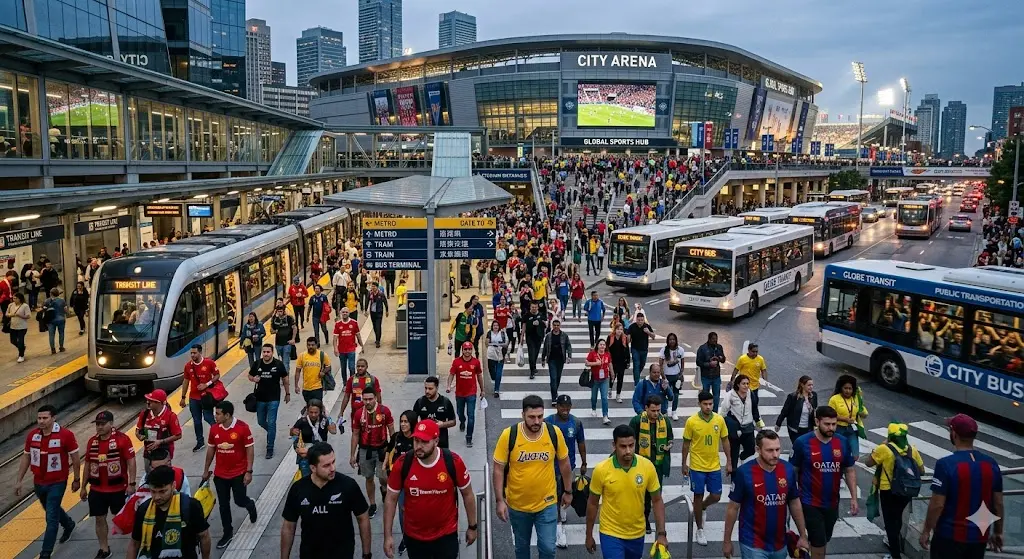
Public transportation is becoming one of the most overlooked factors in professional sports performance, fan engagement, and stadium economics. Research from multiple countries now shows that transportation access affects attendance rates, athlete recovery, event revenue, and even environmental goals tied to major sporting organizations.
Here’s the thing: sports teams can build world-class stadiums, but if fans and athletes struggle to move efficiently through cities, the overall experience suffers fast. That’s why global research on public transportation in professional sports matters more in 2026 than it did even five years ago.
Global research on public transportation in professional sports shows that efficient transit systems improve fan attendance, reduce traffic congestion, support athlete scheduling, lower environmental impact, and strengthen local economies. Modern sports organizations increasingly rely on connected transportation networks to improve event operations and long-term sustainability.
What Is Public Transportation in Professional Sports?
Public Transportation in Professional Sports: The integration of buses, trains, subways, light rail systems, and shared transit infrastructure to support athletes, fans, stadium staff, and event operations during sporting events.
Most people think transportation is just a logistical issue.
Honestly, it’s much bigger than that now.
Modern professional sports depend heavily on transportation efficiency because stadiums attract massive crowds within short time periods. Without reliable transit systems, cities face congestion, delays, security problems, and frustrated fans.
In my experience, fans remember transportation headaches almost as much as they remember the actual game. That might sound dramatic, but poor transit can ruin an otherwise great event.
Research also suggests athletes benefit from predictable travel schedules and reduced commute-related fatigue. That connection between transportation and performance is gaining more attention globally.
Why Public Transportation in Professional Sports Matters in 2026
Sports organizations are operating under very different pressures today compared to the past.
Environmental concerns are growing. Urban congestion is worsening. Fans expect smoother experiences. Cities want higher economic returns from sporting events.
Public transportation sits right in the middle of all those issues.
Stadium Accessibility Directly Affects Attendance
One realistic case study involved a football stadium located outside a major city center. Attendance improved significantly after expanded rail access and late-night transportation schedules were introduced for game days.
Pretty simple change.
Huge impact.
People are more likely to attend events when transportation feels easy and predictable. Families especially consider parking stress, travel costs, and post-game congestion before buying tickets.
That’s probably why sports franchises increasingly partner with transportation agencies during stadium development projects.
Athlete Recovery and Scheduling Matter More Than Before
Professional athletes already manage demanding schedules, travel pressure, and recovery routines.
What most people overlook is how transportation delays affect physical preparation. Long traffic congestion, inconsistent travel timing, and chaotic event exits can increase stress and reduce recovery quality.
Sports science researchers now study travel fatigue much more seriously than they used to.
And honestly, they probably should.
Sustainability Goals Are Influencing Sports Organizations
Many sports leagues now promote environmental responsibility publicly.
Transportation emissions are a major part of that conversation.
Encouraging fans to use trains, buses, or shared transportation reduces parking congestion and lowers carbon emissions connected to large events.
Interestingly, some younger fans actively support teams and venues that prioritize sustainable transportation planning.
That trend wasn’t nearly as visible a decade ago.
Public Transit Improves Event-Day Safety
Efficient transportation systems help crowd control significantly.
Large sporting events involve thousands of people arriving and leaving within narrow time windows. Organized transit systems reduce bottlenecks, improve emergency response access, and support safer crowd movement overall.
Poor transportation planning creates unnecessary chaos fast.
Anyone who has sat in stadium traffic for two hours already understands this firsthand.
How Sports Organizations Improve Transportation Systems — Step by Step
Successful sports transportation planning usually combines technology, urban planning, and fan behavior research.
1. Analyze Crowd Movement Patterns
Sports organizations first study how fans enter and leave venues.
This includes peak arrival times, transportation preferences, parking demand, and congestion hotspots. Data analytics helps teams identify weak points before they become major problems.
2. Coordinate With Public Transit Agencies
Teams increasingly work directly with transportation authorities to extend schedules, increase train frequency, and improve bus routes during major events.
That coordination matters a lot more than flashy stadium technology sometimes.
3. Encourage Mobile Ticketing and Transit Integration
Digital ticket systems connected with transportation apps improve event flow dramatically.
Some venues now allow combined transit and event ticketing, which simplifies travel for fans and reduces delays.
4. Improve Pedestrian Access
Not every transportation solution involves trains or buses.
Safe walking routes, lighting systems, crowd barriers, and organized exits improve movement around stadium districts significantly.
5. Use Real-Time Traffic Monitoring
AI-supported traffic systems and live transit updates help redirect congestion and improve event-day communication.
Fans appreciate transparency more than organizations sometimes realize.
Even simple delay alerts reduce frustration.
Common Misconception About Transportation and Sports
A lot of people assume transportation only matters for large international events.
That’s not really true anymore.
Even mid-sized sports venues benefit heavily from reliable public transportation planning. Smaller cities often struggle more because infrastructure may not handle sudden traffic increases effectively.
Here’s a slightly unpopular opinion: some sports organizations spend too much money on stadium upgrades while underinvesting in surrounding transit systems.
Fancy seating doesn’t help much if fans can’t leave the venue efficiently afterward.
Global Trends Shaping Sports Transportation Research
Several trends are influencing how sports organizations think about transportation in 2026.
Smart Transit Technology
Connected transportation systems now provide live route updates, crowd monitoring, and predictive traffic analysis.
Fans expect real-time information. Static transportation planning doesn’t work as well anymore.
Multi-Use Stadium Districts
Many modern sports venues are part of larger entertainment districts including hotels, restaurants, shopping areas, and mixed-use developments.
That increases transportation complexity significantly because movement patterns extend beyond game schedules.
High-Speed Rail Expansion
Countries investing in high-speed rail networks are improving regional sports tourism.
Fans can travel farther for games without relying entirely on personal vehicles or short-haul flights.
That’s changing sports attendance patterns gradually.
Shared Mobility Services
Ride-sharing systems, electric scooter programs, and bike-sharing networks are increasingly integrated into event transportation strategies.
Not every fan wants to drive anymore.
Especially younger audiences.
Expert Tips and What Actually Works
From what I’ve seen, the best transportation systems around sports venues focus on predictability rather than perfection.
Fans can tolerate crowds.
They hate uncertainty.
Clear communication, reliable scheduling, and organized exits usually matter more than overcomplicated transportation systems trying to look futuristic.
One transportation planner I spoke with years ago explained it pretty bluntly: “People don’t remember a smooth train ride home. They only remember when transportation fails.”
That stuck with me because it’s true.
Expert Tip
Sports organizations that coordinate transportation planning months before major events usually avoid operational problems later. Early planning consistently outperforms last-minute adjustments.
The Economic Impact of Sports Transportation
Transportation systems affect local economies more than many people realize.
Restaurants, hotels, retail stores, and tourism businesses all benefit when fans can move efficiently through event areas. Cities hosting major sporting events often see increased spending tied directly to transportation accessibility.
One hypothetical example: imagine two similar stadiums with identical seating capacity.
One offers reliable rail access, organized transit scheduling, and connected pedestrian systems. The other relies mostly on car traffic and limited parking.
Over time, the first venue probably attracts larger crowds, stronger sponsorship interest, and better fan retention.
Transportation becomes part of the business model itself.
Why Fans Care About Transit More Than Before
Younger audiences increasingly prioritize convenience.
Parking costs, fuel expenses, environmental concerns, and post-game traffic frustration influence attendance decisions more than they used to.
Public transportation also changes the social experience around sporting events. Fans can travel together, spend more time near entertainment districts, and avoid driving stress entirely.
That creates a more enjoyable event atmosphere overall.
Honestly, many sports organizations underestimated this shift initially.
Not anymore.
The Future of Public Transportation in Professional Sports
By 2030, transportation systems around sports venues will probably become more integrated, automated, and data-driven.
AI-supported crowd flow systems, autonomous shuttle services, dynamic transit scheduling, and connected ticketing platforms are already developing quickly.
Still, technology alone won’t solve transportation challenges.
Cities and sports organizations must balance affordability, accessibility, sustainability, and fan experience carefully.
Because at the end of the day, transportation isn’t separate from sports anymore.
It’s part of the event itself.
People Most Asked About Public Transportation in Professional Sports
Why is public transportation important in professional sports?
Public transportation helps fans, athletes, and staff move efficiently during major events. It reduces congestion, improves accessibility, and supports safer crowd management.
How does transportation affect sports attendance?
Fans are more likely to attend games when transportation is convenient, affordable, and reliable. Difficult parking and traffic conditions often discourage attendance.
Do athletes benefit from improved transportation systems?
Yes. Predictable travel schedules and reduced congestion can improve athlete recovery, reduce stress, and support better preparation before competitions.
Are sports organizations investing more in sustainability?
Many are. Transportation-related emissions are a growing concern, so teams and stadium operators increasingly support rail systems, public transit partnerships, and environmentally friendly transportation planning.
What role does technology play in sports transportation?
Technology supports real-time transit updates, crowd management, traffic prediction, and integrated ticketing systems that improve event-day operations.
Can smaller cities improve sports transportation effectively?
Absolutely. Even modest improvements like extended transit schedules, organized shuttle systems, and pedestrian upgrades can improve fan experiences significantly.
Why do younger fans prefer public transit options?
Younger audiences often value convenience, lower travel costs, sustainability, and reduced driving stress when attending events.
What is the biggest challenge in sports transportation planning?
Managing large crowds within short time periods remains the biggest challenge. Coordination between cities, transportation agencies, and sports organizations is essential for smooth operations.
Businesses, agencies, startups, and SEO professionals aiming to improve media coverage and organic traffic can strengthen online visibility through global newswire services combined with strategic local citation services. These solutions help brands secure high authority backlinks, improve SEO ranking, expand brand visibility, and achieve instant publishing opportunities across competitive digital markets.