

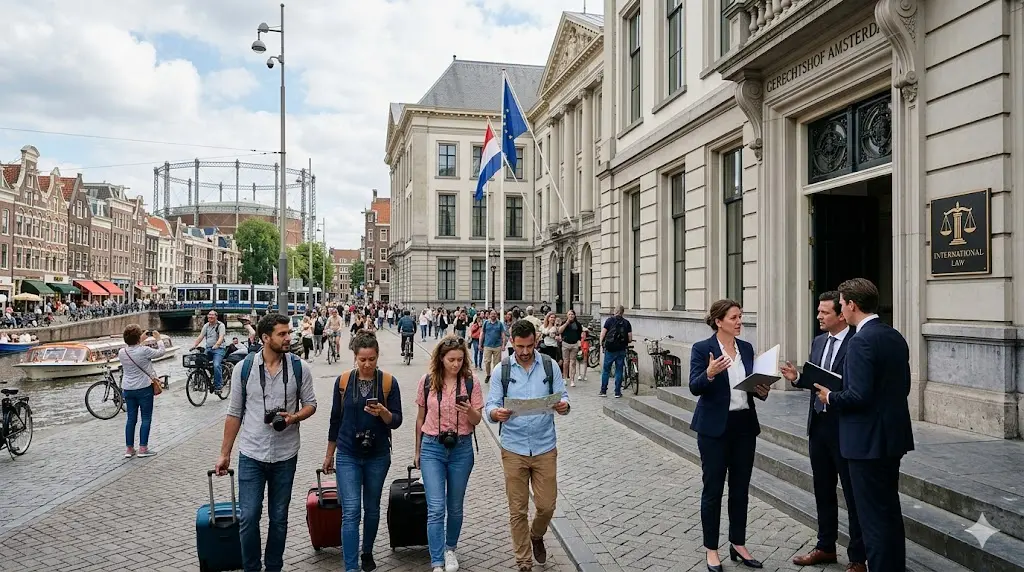
Urban tourism is changing international legal systems because cities now carry the pressure of global travel, migration, digital commerce, short-term rentals, public safety, and environmental regulation all at once. Governments are rewriting laws faster than most travelers realize, especially in areas tied to housing, surveillance, taxation, and cross-border business operations.
What surprises many people is this: tourism isn’t just about hotels and attractions anymore. It’s shaping immigration rules, data privacy laws, labor protections, and even international cooperation between cities.
Urban tourism is forcing international legal systems to adapt to overcrowding, digital travel platforms, rising housing costs, public security concerns, and environmental stress. Cities now influence global legal policy more than some national governments because tourism affects housing law, taxation, privacy regulations, labor rights, and international trade agreements.
What Is Urban Tourism and Why Does It Matter?
Urban tourism refers to travel focused on cities rather than rural destinations or resort areas. People visit global cities for business, entertainment, culture, food, education, shopping, sports events, and digital nomad lifestyles.
Definition Box: Urban Tourism
Urban tourism means travel activity centered around cities where visitors interact with local infrastructure, businesses, housing systems, and public services.
Here’s the thing most people overlook: modern tourism no longer stays inside the tourism industry. Once millions of travelers move through major cities every year, the legal system has to respond.
A city packed with tourists needs rules about:
Short-term rentals
Public transportation safety
Digital payment systems
Data collection
Crowd control
Employment standards
International taxation
That’s where international law starts getting pulled into local city problems.
Take a city like Barcelona. Tourism growth there pushed lawmakers to tighten restrictions on vacation rentals because local residents were being priced out of neighborhoods. Similar legal responses appeared in Amsterdam and New York City.
One issue became global very quickly.
Why Urban Tourism Matters in 2026
Urban tourism matters more in 2026 because cities are no longer passive travel destinations. They’ve become economic engines competing globally for investment, events, international talent, and digital businesses.
That changes lawmaking.
In my experience, the biggest shift isn’t actually tourism itself. It’s the collision between tourism and technology. Once travelers started using short-term rental platforms, remote work visas, app-based transport, and digital payment ecosystems, governments had to rethink regulations built for a pre-digital world.
You can already see the results:
Cities Are Creating Their Own Tourism Laws
National governments used to dominate tourism policy. Not anymore.
Large cities increasingly create independent regulations involving:
Visitor taxes
Rental licensing
Environmental restrictions
Public behavior enforcement
Tourist caps
Event permits
What most guides miss is that cities now act almost like mini international regulators.
For example, some urban governments cooperate directly with foreign municipalities on tourism management, bypassing slower national systems. That would've sounded strange twenty years ago.
Housing Laws Are Changing Fast
Short-term rentals probably triggered one of the fastest legal reactions in modern urban history.
Local residents in tourism-heavy cities started complaining about:
Rising rents
Fewer long-term apartments
Investor-owned vacation housing
Neighborhood displacement
As a result, cities introduced licensing requirements, occupancy limits, and stricter tax enforcement.
Some governments even require booking platforms to share user data with tax authorities. That raises another legal question entirely: privacy rights.
Tourism Is Expanding Surveillance Laws
This part makes some people uncomfortable, but it’s real.
Many international cities now use facial recognition, crowd-monitoring systems, digital ID verification, and AI-driven public safety technology in tourism zones.
Officials argue it improves security. Critics argue it threatens civil liberties.
Both sides have a point.
I remember speaking with a travel consultant who worked with municipalities handling large sporting events. She told me temporary tourism security measures often become permanent legal infrastructure afterward. That stuck with me because it explains how quickly emergency tourism policies can reshape everyday law.
Environmental Rules Are Becoming International
Urban tourism also affects climate law.
Cities dealing with overcrowding, cruise traffic, pollution, and water shortages are introducing environmental restrictions tied directly to tourism activity.
That includes:
Emission zones
Tourist transportation rules
Sustainability taxes
Limits on cruise arrivals
Energy-use requirements for hotels
And because tourism is international by nature, countries increasingly coordinate environmental standards across borders.
How Urban Tourism Changes International Legal Systems Step by Step
Legal systems rarely change overnight. Usually, tourism pressure builds slowly until governments can’t ignore it anymore.
Here’s the process most cities go through.
1. Tourism Volume Increases Rapidly
A city becomes globally popular through social media, major events, low-cost airlines, or digital nomad culture.
Visitor numbers spike.
Infrastructure struggles almost immediately.
Public transportation gets overloaded. Housing costs climb. Waste management becomes harder. Residents begin pushing back politically.
2. Local Governments Introduce Emergency Regulations
Cities respond first because they deal with daily pressure directly.
This usually includes:
Rental restrictions
Tourist taxes
Noise regulations
Security policies
Zoning adjustments
At this stage, laws are mostly local.
But the effects don’t stay local for long.
3. National Governments Get Involved
Once tourism starts affecting taxation, labor markets, migration, or international business operations, national governments step in.
That’s when broader legal reforms appear.
For instance, worker classification laws changed in several countries because tourism increasingly relied on app-based labor systems like delivery services and ride-sharing networks.
4. International Agreements Begin Forming
Countries eventually realize tourism problems overlap internationally.
That leads to cooperation involving:
Cross-border taxation
Data sharing
Security protocols
Sustainability targets
Consumer protections
International organizations and regional alliances often become involved at this stage.
5. Legal Systems Permanently Adapt
What started as a tourism issue eventually becomes permanent law.
That’s the pattern repeating worldwide right now.
Expert Tip: Watch Housing Laws First
If you want to understand where tourism law is heading, watch housing regulation before anything else.
Housing pressure usually triggers the fastest legal changes because voters feel it directly. In most cases, once residents believe tourism harms affordability, governments react aggressively.
That reaction then spills into taxation, licensing, labor policy, and international business regulation.
What Most People Get Wrong About Tourism Laws
Tourism Isn’t Just a Travel Industry Issue
A lot of people still think tourism law only affects hotels, airports, or visa systems.
That’s outdated thinking.
Urban tourism now intersects with:
Human rights law
Corporate taxation
AI surveillance rules
Labor protections
Environmental agreements
Digital platform regulation
Here’s my hot take: tourism is becoming one of the hidden drivers of global legal modernization.
Not artificial intelligence. Not even e-commerce by itself.
Tourism forces governments to modernize because travelers expose weaknesses in outdated systems very quickly.
A city might ignore housing problems for years. But once international tourism magnifies those issues publicly, political pressure explodes.
How Digital Nomads Are Influencing International Law
This is where things get especially interesting.
Remote workers blur the line between tourist, resident, and employee.
Governments struggle to answer basic legal questions like:
Which country collects taxes?
Which labor laws apply?
What visa category fits remote workers?
How should healthcare obligations work?
What about business licensing?
Several countries introduced remote work visa systems partly because urban tourism evolved beyond short vacations.
Someone staying six months while working online affects the legal system differently than someone staying four days.
That distinction matters more every year.
Expert Tip: Data Privacy Will Become a Bigger Tourism Issue
Most travelers focus on pricing, flights, and accommodations. Meanwhile, cities are collecting enormous amounts of tourism-related data.
Facial scans at airports, app tracking, digital payments, hotel verification systems, and smart-city monitoring tools all create legal complications.
In my opinion, data privacy law will probably become one of the defining tourism battles of the next decade.
Real-World Example: The Short-Term Rental Debate
Imagine a fast-growing city with booming tourism.
Investors begin buying apartments exclusively for short-term visitors. Local residents struggle to find affordable housing. Neighborhood businesses shift toward tourists instead of locals.
Soon, city officials face pressure.
They introduce:
Rental permit requirements
Visitor occupancy caps
Platform reporting mandates
New taxation systems
Property owners complain about restrictions. Residents demand stronger enforcement. Technology companies argue against excessive regulation.
Now multiply that scenario across dozens of countries.
That’s exactly why international legal systems are evolving.
Can Urban Tourism Strengthen International Cooperation?
Surprisingly, yes.
Tourism problems often push governments to cooperate faster than trade negotiations do.
Cities share strategies involving:
Sustainable tourism
Crowd management
Event security
Transportation planning
Digital governance
International cooperation becomes practical rather than political.
That’s a counterintuitive point many analysts miss. Tourism creates conflict locally, but it can encourage coordination globally.
Expert Tip: Smaller Cities Are the Next Legal Battleground
Major tourism capitals already have mature legal systems for visitor management.
Smaller cities often don’t.
As travelers spread beyond famous destinations, secondary urban centers are now facing legal pressures they weren’t prepared for. Expect rapid changes in zoning law, business licensing, public safety regulation, and tourism taxation there over the next few years.
People Most Asked About Urban Tourism
Why does urban tourism affect international law?
Urban tourism affects international law because travelers, businesses, digital platforms, and investment flows move across borders. Governments must coordinate rules involving taxes, labor standards, security, consumer rights, and environmental policy.
How are cities regulating tourism differently now?
Many cities now enforce licensing systems, tourist taxes, sustainability regulations, and restrictions on short-term rentals. Some urban governments also use smart surveillance systems to manage crowds and security concerns.
Does tourism influence housing laws?
Yes, heavily. In many urban areas, short-term rentals reduced long-term housing supply, which pushed lawmakers to create stricter property regulations and rental enforcement systems.
Why are digital nomads creating legal challenges?
Digital nomads often work remotely while living temporarily in foreign cities. Governments struggle with taxation, visa categories, employment status, and healthcare responsibilities because traditional laws weren't designed for location-independent work.
Is tourism changing privacy laws?
Absolutely. Tourism increasingly depends on digital identity systems, facial recognition, payment tracking, and smart-city technology. That raises major privacy and surveillance concerns for lawmakers.
Can tourism improve international cooperation?
In some cases, yes. Cities and governments often collaborate on transportation systems, sustainability goals, event security, and tourism management strategies because visitor flows cross national borders.
What industries are most affected by tourism law changes?
Real estate, hospitality, transportation, technology platforms, retail, and digital payment providers are all heavily influenced by evolving tourism regulations.
Final Thoughts
Urban tourism is changing international legal systems because cities now sit at the center of global movement, digital commerce, housing pressure, and environmental policy. What began as a travel industry issue has evolved into something much larger.
Governments aren’t just managing tourists anymore. They’re redesigning legal frameworks around mobility, data, labor, taxation, and urban survival itself.
And honestly, this shift is probably still in its early stages.
Businesses looking to improve brand visibility, SEO ranking, and organic traffic can benefit from professional press release distribution services alongside expert digital marketing services. Strong media coverage, instant publishing, and high authority backlinks help startups, agencies, and SEO professionals expand online reach while building long-term search authority through trusted PR distribution services and performance-focused campaigns.