

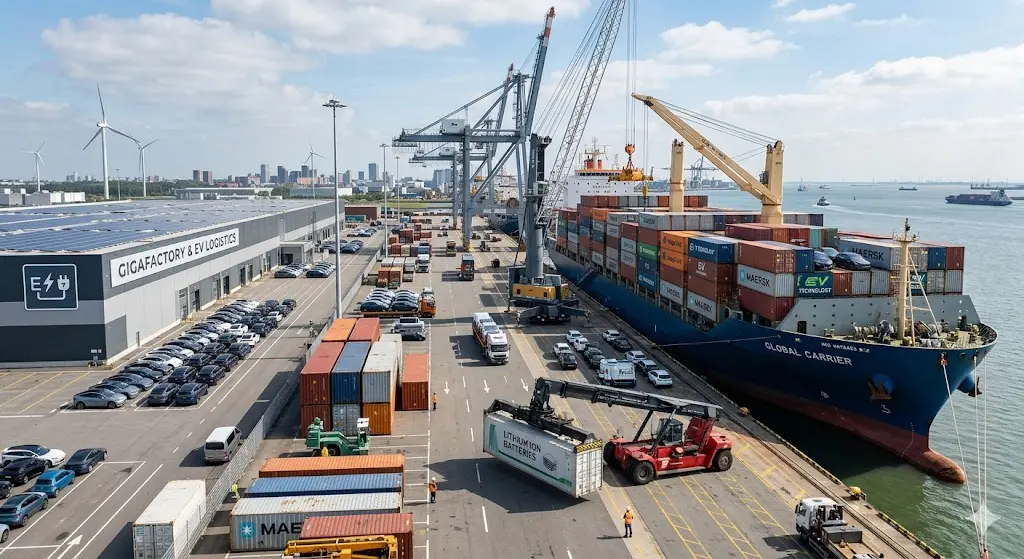
Electric mobility is no longer just an automotive trend. It has become a major force influencing global capital flows, infrastructure spending, manufacturing priorities, and technology investments. From battery innovation to charging infrastructure, investors are moving billions into electric transportation because they see long-term economic potential, lower carbon targets, and changing consumer behavior.
Electric mobility is reshaping international investment trends because governments, corporations, and investors see electric transportation as a long-term growth sector. Capital is rapidly shifting toward battery production, charging infrastructure, renewable energy integration, and smart mobility systems, creating new global investment opportunities across industries.
Why Electric Mobility Is Reshaping International Investment Trends has become one of the biggest business discussions of 2026. You can see it almost everywhere now — electric buses in major cities, delivery fleets going electric, and automakers pouring money into battery factories instead of traditional engines.
What’s interesting is that this shift isn’t only about transportation. Investors are treating electric mobility as a complete economic transformation. That means venture capital firms, sovereign wealth funds, private equity groups, and even real estate developers are adjusting their strategies around the future of electric transport.
In my experience, most people still think electric mobility is simply about electric cars. It’s much bigger than that. It touches energy, logistics, software, infrastructure, mining, and international trade all at once.
What Is Electric Mobility?
Electric Mobility: The use of electric-powered transportation systems such as electric cars, buses, bikes, trucks, and charging infrastructure instead of fuel-based transportation.
Electric mobility includes several connected sectors:
Electric vehicles
Battery manufacturing
Charging networks
Smart transportation software
Renewable energy integration
Fleet electrification
Battery recycling systems
What most people overlook is how interconnected these industries are. A single electric vehicle investment often creates ripple effects across mining, software development, urban infrastructure, and energy distribution.
That’s why international investment trends are changing so quickly.
Why Electric Mobility Matters in 2026
2026 feels different from earlier years because electric mobility has moved past the “experimental” stage. Governments are now building policies around it, companies are redesigning supply chains, and investors are competing to enter emerging markets before competitors do.
Several major factors are driving this shift.
Governments Are Pushing Large-Scale Electrification
Countries across Europe, Asia, and North America are offering incentives for electric transportation. Some are introducing stricter fuel regulations while others are investing heavily in charging infrastructure.
This creates stability for investors. When policy support exists, investors feel more confident funding long-term projects.
A decade ago, many investors treated electric mobility like a risky tech bet. Now it’s increasingly viewed as infrastructure.
Battery Technology Is Improving Faster Than Expected
Battery costs have fallen dramatically over recent years. Range improvements and charging speed enhancements are making electric vehicles more practical for businesses and consumers alike.
Here’s the thing: investors don’t only care about vehicle sales. They care about the ecosystem surrounding batteries.
That includes:
Lithium processing
Battery recycling
Energy storage systems
Semiconductor production
Grid modernization
One investment often opens doors to five more industries.
International Supply Chains Are Being Rebuilt
Manufacturing hubs are changing because electric mobility requires different raw materials and production systems.
For example, countries rich in lithium, nickel, and rare earth minerals are attracting foreign direct investment at a much faster pace than before.
At the same time, manufacturers are trying to reduce dependence on single-country supply chains. That’s creating new regional investment opportunities across Asia, Europe, Africa, and Latin America.
Urban Infrastructure Is Evolving
Cities are redesigning transportation systems around sustainability goals. Electric buses, smart traffic systems, and charging networks are becoming part of urban development strategies.
In most cases, infrastructure spending attracts institutional investors because it tends to generate long-term predictable returns.
That’s one reason pension funds and infrastructure-focused investment firms are now deeply involved in electric mobility projects.
Expert Tip
One of the smartest investment signals isn’t actually vehicle sales. It’s charging infrastructure expansion. When governments and private companies aggressively build charging networks, it usually indicates long-term confidence in electric mobility adoption.
How to Understand Electric Mobility Investment Trends Step by Step
If you’re trying to understand where global investment is heading, this process helps simplify things.
1. Watch Government Policy First
Investment usually follows policy direction.
Pay attention to:
EV subsidies
Import regulations
Clean energy targets
Infrastructure spending
Carbon emission policies
When governments commit large budgets to electrification, private investment typically follows quickly.
2. Track Battery Supply Chains
Battery production is the backbone of electric mobility markets.
Investors closely monitor:
Lithium mining expansion
Battery factory construction
Recycling technologies
Alternative battery chemistry research
A surprising amount of global investment activity now revolves around battery security.
3. Analyze Infrastructure Spending
Charging stations, grid upgrades, and renewable integration projects often indicate where future market growth may happen.
In my opinion, infrastructure tells a more honest story than marketing campaigns from automakers.
If infrastructure investment slows down, market adoption usually struggles later.
4. Follow Commercial Fleet Adoption
Delivery companies, logistics firms, and public transport agencies are rapidly electrifying fleets because operating costs are lower over time.
This creates demand for:
Fleet software
Charging depots
Energy management systems
Maintenance services
Large fleet adoption often signals strong investment confidence.
5. Monitor Emerging Markets
Many investors initially focused on developed economies, but emerging markets are becoming increasingly important.
Countries building transportation infrastructure from scratch may adopt electric systems faster because they’re not tied to older fuel-based systems.
That’s a slightly counterintuitive point, but it’s happening already in several fast-growing regions.
A Real-World Example of Investment Shifts
Consider a hypothetical logistics company operating across Southeast Asia.
Five years ago, it relied entirely on diesel delivery vehicles. Fuel costs were unpredictable, maintenance expenses were rising, and urban emission regulations were tightening.
The company decided to electrify 40% of its delivery fleet.
That single move triggered investments into:
Charging infrastructure
Solar-powered warehouses
Fleet management software
Battery storage systems
Local maintenance training centers
What started as a transportation upgrade became a broader investment ecosystem.
This pattern is repeating globally.
The Counterintuitive Side of Electric Mobility
Here’s a hot take that many analysts probably underestimate: some traditional oil companies may actually benefit from electric mobility in the long run.
Sounds strange, right?
But many large energy companies are investing heavily in charging networks, renewable power systems, and battery infrastructure. They already understand large-scale energy distribution better than most startups do.
So while electric mobility disrupts parts of the fossil fuel economy, some legacy energy firms are adapting surprisingly fast.
That’s something investors are watching very closely.
Why Investors See Long-Term Potential
Electric mobility aligns with several major global investment themes at the same time.
Sustainability Goals
Environmental targets continue shaping corporate and government decisions.
Many investment funds now prioritize sustainable industries because institutional investors increasingly demand it.
Technology Growth
Electric mobility combines:
Artificial intelligence
Automation
Energy storage
Smart grids
Software platforms
That attracts both technology investors and infrastructure investors simultaneously.
Consumer Demand
Consumer behavior is shifting gradually but steadily.
Younger buyers, especially in urban areas, are often more open to electric transportation than previous generations.
Lower Operational Costs
Electric fleets often reduce long-term maintenance and fuel expenses.
Businesses care about profitability first. Sustainability is helpful, but lower operating costs usually drive adoption faster.
Expert Tip
Many investors focus too heavily on vehicle manufacturers. Some of the strongest long-term opportunities may actually sit in battery recycling, charging software, and grid technology instead.
What Risks Still Exist?
Electric mobility growth isn’t guaranteed to move smoothly forever.
Several risks remain:
Raw Material Volatility
Lithium and rare earth prices can fluctuate sharply. That creates uncertainty for manufacturers and investors.
Infrastructure Gaps
Some countries still lack reliable charging systems. Without infrastructure growth, adoption slows.
Grid Capacity Problems
Large-scale EV adoption increases electricity demand. Power grids in some regions aren’t fully prepared yet.
Policy Changes
Government support can shift after elections or economic downturns.
Investors pay close attention to policy consistency because long-term projects depend on stable regulations.
Expert Tips and What Actually Works
From what I’ve seen, successful investors in electric mobility rarely focus on only one niche.
They usually diversify across multiple connected sectors.
For example:
Battery manufacturing
Energy storage
Fleet software
Charging infrastructure
Smart mobility analytics
That reduces risk while still benefiting from industry growth.
Another thing people underestimate is timing. Some investors entered electric mobility too early and struggled because infrastructure wasn’t ready yet.
Timing matters almost as much as choosing the right sector.
I also think smaller infrastructure companies may quietly outperform some famous automakers over the next decade. Infrastructure tends to create recurring revenue, and recurring revenue attracts serious institutional money.
People Most Asked About Why Electric Mobility Is Reshaping International Investment Trends
Why are investors interested in electric mobility?
Investors see electric mobility as a long-term growth sector tied to sustainability, infrastructure, technology, and energy transformation. The industry affects multiple markets simultaneously, which creates broad investment opportunities.
Is electric mobility only about electric cars?
No. Electric mobility includes batteries, charging systems, renewable integration, software platforms, public transportation, logistics fleets, and energy storage technologies.
Which countries are attracting the most electric mobility investment?
China, the United States, Germany, India, and several Southeast Asian countries are attracting strong investment flows because of manufacturing growth, policy support, and rising consumer demand.
What industries benefit from electric mobility growth?
Battery manufacturing, mining, renewable energy, software development, logistics, infrastructure construction, and smart grid technology are all benefiting from electric mobility expansion.
Are electric mobility investments risky?
Like any emerging sector, risks exist. Supply chain disruptions, raw material shortages, infrastructure delays, and changing regulations can affect returns. Still, many investors view the sector as a long-term structural shift rather than a short-term trend.
How does electric mobility affect global trade?
Electric mobility changes supply chains and increases demand for critical minerals, battery production, and advanced manufacturing technologies. Countries that control these resources may gain stronger economic influence.
Will traditional fuel industries disappear completely?
Probably not anytime soon. Many traditional energy companies are adapting by investing in charging infrastructure, renewable power, and battery technology.
Final Thoughts on Why Electric Mobility Is Reshaping International Investment Trends
Why Electric Mobility Is Reshaping International Investment Trends comes down to one simple reality: transportation is becoming deeply connected with energy, technology, infrastructure, and sustainability goals. Investors recognize that this transformation could influence global markets for decades.
The biggest opportunities probably won’t come only from selling electric vehicles. They’ll emerge from the systems supporting them — batteries, charging networks, smart grids, logistics platforms, and renewable integration. That’s where many long-term investors are quietly placing their bets right now.
For businesses aiming to improve brand visibility and gain high authority backlinks, press release distribution services combined with expert SEO services can help accelerate organic traffic and media coverage. Many startups, agencies, and SEO professionals use these platforms for instant publishing, stronger SEO ranking, and wider online exposure that supports long-term digital growth.